How KW Restoration Works With Your Insurance Company During a Property Damage Claim
When your home experiences water damage, fire damage, mold, sewage contamination, or another unexpected property loss, dealing with the physical damage is only one part of the process.
For many homeowners, another major concern quickly follows:
How am I going to handle the insurance claim?
Insurance claims can involve adjusters, documentation, photographs, estimates, deductibles, coverage questions, approvals, and ongoing communication. When you're already dealing with damage to your home or business, managing all of those moving pieces can feel overwhelming.
At KW Restoration, we work with homeowners and their insurance companies throughout the mitigation process to help provide the documentation and communication needed for a smoother claim.
While your insurance carrier ultimately determines what is and is not covered under your specific policy, our team can help document the mitigation work, communicate about the scope of the loss, and provide information your adjuster may need while your claim is being reviewed.
Does KW Restoration Work With Insurance Companies?
Yes. KW Restoration works with insurance companies on property damage mitigation claims.
When you have a covered property loss, your insurance company may assign an adjuster to evaluate the claim and determine which portions of the damage fall within your policy's coverage.
The National Association of Insurance Commissioners (NAIC) explains that an adjuster may review the policy, determine applicable deductibles and coverage limits, calculate damage, and communicate with the homeowner or contractor during the claim process.
Our role is different.
KW Restoration's job is to evaluate the property damage within our scope, perform the necessary mitigation services, and provide clear documentation regarding the conditions we encounter and the work performed.
That means the homeowner, mitigation contractor, and insurance company each have a role in moving the claim forward.
What Happens After You Discover Property Damage?
The first priority after discovering water, fire, mold, sewage, or other significant property damage is preventing the situation from becoming worse when it is safe and reasonable to do so.
The NAIC recommends that homeowners document property damage with photographs and video and notify their insurance company promptly when filing a claim.
When KW Restoration arrives, our team evaluates the affected areas and begins determining the appropriate mitigation scope.
Depending on the type of loss, this can involve:
- Identifying affected areas
- Documenting visible conditions
- Taking photographs
- Measuring moisture when applicable
- Determining which materials may be salvageable
- Determining which materials may require removal
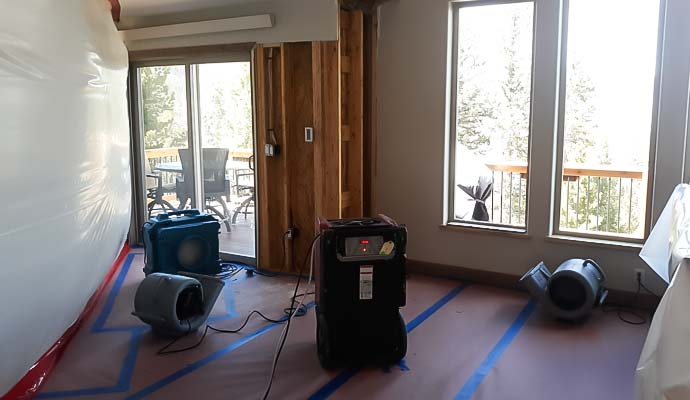
- Establishing drying or containment needs
- Documenting equipment and work performed
- Developing a mitigation scope based on the conditions at the property
That documentation can become an important part of communicating what occurred at the property and why certain mitigation steps were necessary.
How Does KW Communicate With the Insurance Company?
One of the benefits of hiring an experienced mitigation company is having a professional team that understands the information insurance adjusters commonly need when evaluating property damage.
With the homeowner's authorization and appropriate claim information, KW Restoration can communicate with the insurance company or assigned adjuster regarding the mitigation portion of the project.
That communication may include information about the affected areas, documented conditions, mitigation procedures, materials removed, equipment used, project progress, and other relevant details.
This helps create a clearer record of the work from the beginning of the mitigation process through completion.
Our goal is to reduce unnecessary confusion between the homeowner, contractor, and insurance carrier.
Does KW Restoration Decide What Insurance Covers?
No.
This is an important distinction for homeowners to understand.
Your insurance company determines coverage according to the terms, conditions, exclusions, limits, endorsements, and deductible contained in your individual policy.
No restoration or mitigation contractor can guarantee that an insurance company will cover a particular loss.
For example, two homeowners may experience similar water damage but have different coverage depending on the cause of the water, their individual policies, endorsements, exclusions, and other circumstances surrounding the loss.
What KW Restoration can do is provide accurate documentation about the damage we observe and the mitigation work required or performed.
If an adjuster has questions about the mitigation scope, our team can help provide relevant project documentation and communicate about the work.
Why Is Documentation So Important?
Insurance claims are based on evidence of the loss and the terms of the policy.
The NAIC recommends creating a record of damaged property and taking photographs and videos when filing a homeowners claim.
Professional mitigation documentation can provide additional information about conditions that may not be obvious after the property begins drying or damaged materials have been removed.
For a water loss, for example, moisture readings and photographs can help establish where water traveled.
For a fire loss, photographs and project documentation may help establish the extent of affected materials requiring mitigation.
For a mold-related project, documentation can show the affected area and mitigation work performed.
For sewage contamination, documentation can help establish affected materials and the procedures required to address the contaminated area.
Keeping detailed records throughout the project helps establish a clearer timeline and scope for everyone involved.
What Types of Insurance Claims Can KW Restoration Help With?
Our insurance coordination can apply across the mitigation services we provide, including:
- Water Damage Mitigation: Whether the loss involves a plumbing failure, appliance leak, broken supply line, or another source, we can document affected materials and the drying and mitigation process.
- Fire and Smoke Damage Mitigation: Fire losses can involve fire damage, smoke, soot, odor, and water from firefighting efforts. We document the conditions associated with the mitigation portion of the project.
- Mold Mitigation: When mold is discovered following moisture damage, we can document the affected areas and the mitigation services performed within our scope. Insurance coverage for mold can vary significantly by policy and cause, so the carrier determines whether coverage applies.
- Sewage Backup Mitigation: Sewage losses require careful handling because contaminated water can affect building materials and contents. Coverage for sewer or drain backups may depend on the homeowner's policy and endorsements.
- Emergency Board-Up Services: Following a fire, storm, vandalism, or other event that leaves the structure exposed, emergency board-up may be necessary to help secure the property and prevent additional damage.
- Odor Control and Related Mitigation: When odor treatment is part of a covered loss, documentation of the underlying event and mitigation procedures can help the insurance carrier understand the scope of work performed.
Helping the Claim Move From Start to Finish
Property damage claims can involve multiple stages, and mitigation is often one of the earliest.
KW Restoration focuses on the mitigation portion of the project—stabilizing the affected environment, removing materials when necessary, drying or cleaning affected areas, addressing contamination within our scope, and documenting the work.
Throughout that process, we aim to maintain clear communication with the homeowner and, when appropriate, the insurance company.
A typical process may look like this:
- You contact KW Restoration after discovering property damage.
- Our team evaluates and documents the affected areas.
- You report the claim to your insurance carrier when applicable.
- KW obtains the necessary claim and adjuster information with your authorization.
- Mitigation begins based on the conditions and required scope.
- Our team documents work, equipment, materials, and project progress.
- Relevant documentation is provided or discussed with the insurance carrier as needed.
- Mitigation is completed and final project information is prepared.
The exact process varies because every property loss and insurance claim is different.
You Don't Have to Navigate the Mitigation Process Alone
When something goes wrong in your home, your first priority should be protecting your property and getting life back to normal—not trying to become an expert in restoration terminology overnight.
KW Restoration brings experience with both property mitigation and the insurance claim process so we can help keep communication organized from the beginning of the project through completion of our mitigation work.
We cannot determine or guarantee your insurance coverage. What we can do is document our work, communicate professionally with your carrier when authorized, answer questions about the mitigation scope, and help make the process as straightforward as possible.
If you've experienced water damage, fire or smoke damage, mold, sewage contamination, or another property loss in Colorado Springs or the surrounding area, contact KW Restoration.
We'll help you understand the next steps, address the damage, and work with your insurance company throughout the mitigation process.
719-301-3737Sources & Additional Information
National Association of Insurance Commissioners — What You Need to Know When Filing a Homeowners Claim
The NAIC recommends promptly notifying the insurance company when filing a claim and documenting damaged property through lists, photographs, and videos. NAIC: Filing a Homeowners Insurance Claim
National Association of Insurance Commissioners — What You Should Know About Settling a Homeowners Insurance Claim
The NAIC explains the adjuster's role in reviewing the policy, evaluating damage, determining applicable deductibles and limits, and communicating with homeowners and contractors during the settlement process.
NAIC: Settling a Homeowners Insurance ClaimNational Association of Insurance Commissioners — Homeowners Insurance
The NAIC provides consumer information about homeowners coverage, deductibles, policy types, optional coverage, and the role homeowners insurance plays following covered property losses.
NAIC: Homeowners Insurance OverviewInsurance coverage varies by carrier and individual policy. KW Restoration does not determine insurance coverage and cannot guarantee that any service or loss will be covered. Homeowners should consult their insurance carrier or policy documents for coverage-specific questions.